The simplest way to work out how to visit Dominica is to choose one or two areas, arrive by air or ferry, and plan around the island’s winding roads instead of a long checklist. Dominica is small, green and volcanic, and each area has its own pace: the capital Roseau, the rainforest of the Roseau Valley, the south coast, the north around Portsmouth and the north-east beaches.
This first-time guide goes area by area, then covers how to get there and what to check before you book. For dates, fees and entry rules we link to official sources, and our Plan Your Visit page has a free trip outline tool.
Start from the Visit Dominica home page for the overview, then use the steps below.
How to visit Dominica: the five areas at a glance
| Area | Good for | Start from |
|---|---|---|
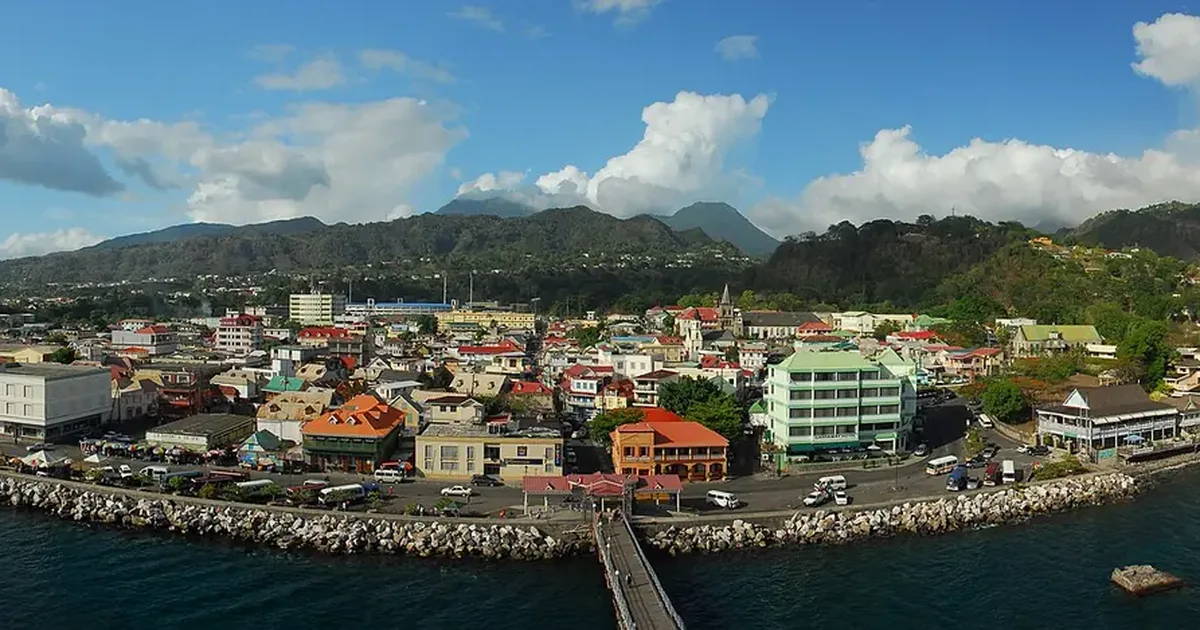
| Roseau and the south-west | Harbour, market, Botanic Gardens, ferry terminal | Roseau |
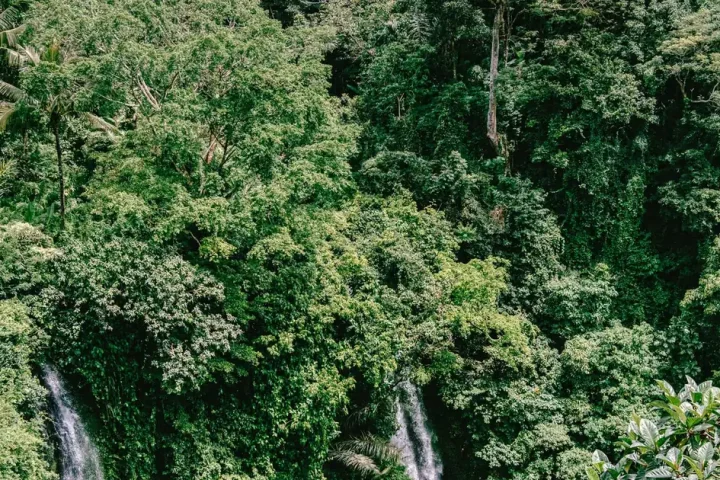
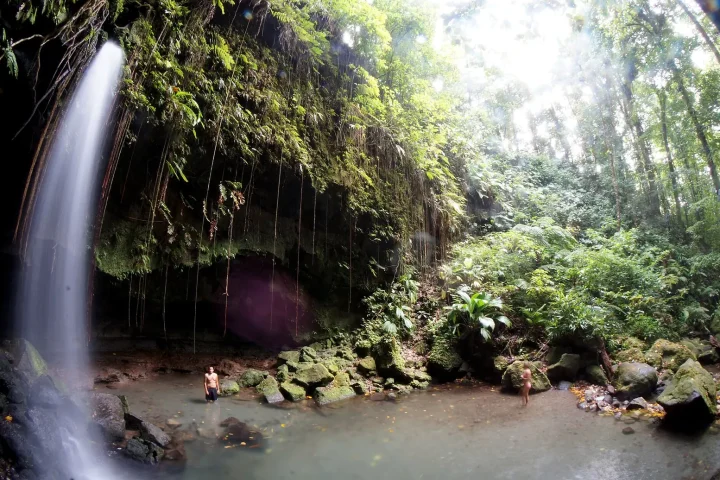
| Roseau Valley | Trafalgar Falls, Titou Gorge, Freshwater Lake, Boiling Lake trailhead | Laudat |
| South coast | Scotts Head, Soufrière Bay, snorkelling at Champagne Reef | Scotts Head |
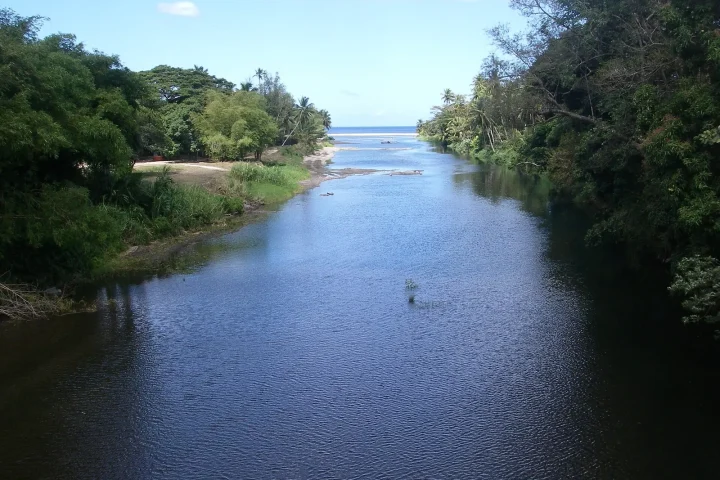
| North | Cabrits National Park, Fort Shirley, the Indian River | Portsmouth |
| North-east | Beaches and Red Rocks around Calibishie | Calibishie |
Our Places to Go page describes each area in more detail.
How do you get to Dominica?
You can arrive by air or by sea. The Discover Dominica Authority says the island has two airports: Douglas-Charles (DOM) on the north-eastern side, which most visitors use and which is approximately one hour from the capital, and Canefield (DCF). European flights connect through regional hubs such as Antigua, Barbados, Martinique, Guadeloupe and Trinidad, so you normally change planes once.
By sea, the FRS Express des Îles ferry links Dominica with Guadeloupe, Martinique and St Lucia, arriving at the Roseau ferry terminal or the Portsmouth dock. Confirm schedules with the operator, because they change. Every traveller must also complete the electronic immigration form online before arriving, according to Discover Dominica’s travel pages.
Which area should you stay in first?
For a short first trip, pick one base and make day trips, because the roads follow the coast and river valleys and are slow. Roseau is the easiest base for ferries, restaurants and the Roseau Valley. The north suits beaches, Cabrits and the Indian River. It takes about 45 minutes to drive between Portsmouth and Roseau, so moving every night costs half a day each time. Our Where to Stay guide explains how to choose.
What should you see first?
Start with one waterfall, one swim and one fort or river trip, then add a beach day. The official guide describes Trafalgar Falls as twin cascades, Papa and Mama, with about a 10-minute walk from the car park to a viewing platform, around 20 minutes from Roseau. For a swim, read our guide to Titou Gorge and Champagne Reef. In the north, Cabrits National Park and the Indian River sit close together. For more ideas see the best things to do in Dominica, or build a day-by-day itinerary.
What do you need to know before you go?
- Entry: a valid passport, a return ticket, enough funds and a local address are listed as the basics. Visa rules depend on nationality, so check the official page.
- Money: the local currency is the Eastern Caribbean dollar (EC$), and US dollars, pounds and euros are accepted by businesses around the island, says Discover Dominica.
- Emergencies: dial 999 for police, ambulance and fire.
- Weather: expect sunshine with intermittent rain. Hurricane season runs from June to November, so use flexible bookings and travel insurance then.
- Getting around: read how to get around Dominica before deciding on a rental car.
Frequently Asked Questions
It depends on your nationality. Discover Dominica lists a valid passport, a valid return ticket, enough funds and a local address as basic requirements, and says visa rules differ by country. Rules change, so check the official entry requirements page and your government’s travel advice before you book.
Most visitors arrive at Douglas-Charles Airport on the north-eastern side of the island, which has the longer runway and the updated terminal. Canefield Airport is much closer to Roseau and mainly handles regional and charter flights. Ask your airline which airport your route uses.
Yes. Taxis, tour operators and minibuses cover the main routes, and many first-time visitors use a base and book day trips. A car gives freedom, but the roads are winding and weather can slow you, so many people prefer a driver for the longer days.
English is the official language. Many people also speak Kwéyòl, which is based mainly on French and Kalinago vocabulary, and a few northern villages use a dialect called Kokoy. A friendly greeting in shops and taxis is always appreciated.
Plan the rest
When you are ready to shape the days, open the trip planner and choose your month, length and traveller type. Bookmark the sources in Dominica travel portal and check Dominica travel warning before you fly.
How we prepared this guide: it is based on the Discover Dominica Authority’s travel, adventure and itinerary pages and public reference pages on Dominica’s transport, with no personal experience claimed. Photographs are from Wikimedia Commons, credited on our photo credits page. Entry rules, ferry schedules and opening times change, so check before you travel.