Cabrits National Park is a forested headland beside Portsmouth in north-west Dominica, and its main attraction is Fort Shirley, a restored British garrison with sea views. It also holds wetlands, two hill peaks and a stretch of the Waitukubuli National Trail. This guide explains what to see, how the park and Portsmouth fit together, and how to combine them with the Indian River.
Facts come from Wikipedia and the Discover Dominica Authority. For where this sits among the other areas, see Places to Go: the north.
Cabrits National Park at a glance
| Question | Answer |
|---|---|
| Where | North of Portsmouth, on the Cabrits Peninsula |
| Established | 1986 |
| Main sight | Fort Shirley, begun by the British in 1765 |
| Peaks | East Cabrit (140 m) and West Cabrit (171 m) |
| Trail | Waitukubuli segment 14 ends here |
What is Fort Shirley?
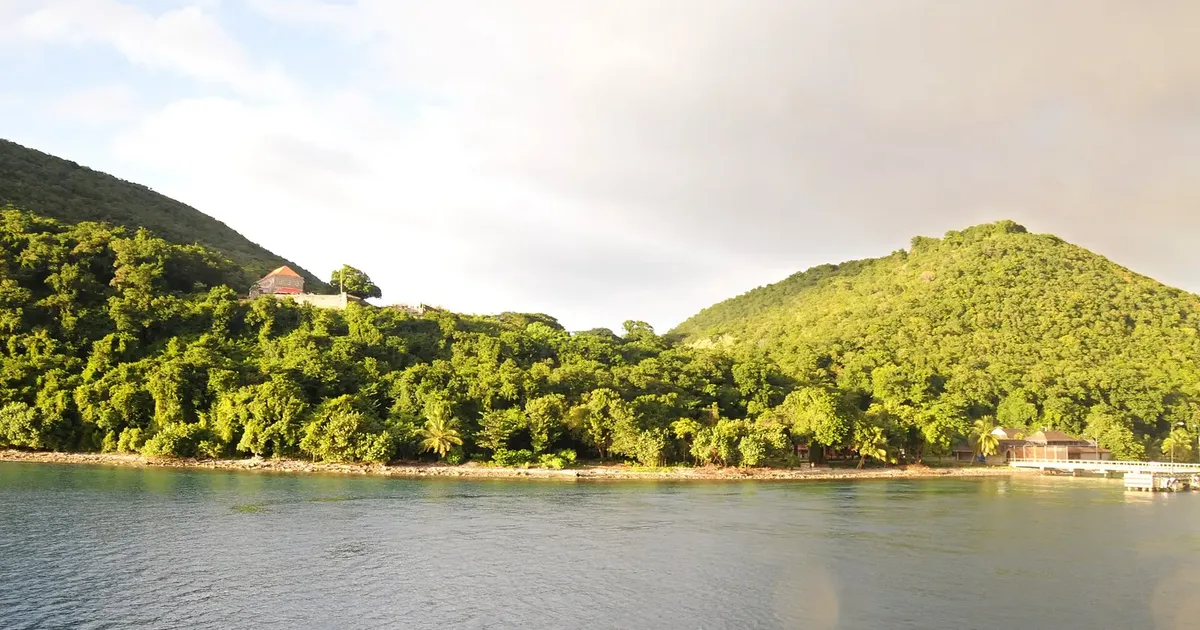
Fort Shirley was a military outpost built by the British from 1765, on the order of Governor Thomas Shirley, to defend the north of Dominica. The French extended it during their occupation from 1778 to 1784. At its height the outpost had over 50 buildings and housed over 600 men. Several buildings are restored, and ruins of the rest lie scattered around the headland. A path leads up to the fort and on to the two summits.
What else is in the park?
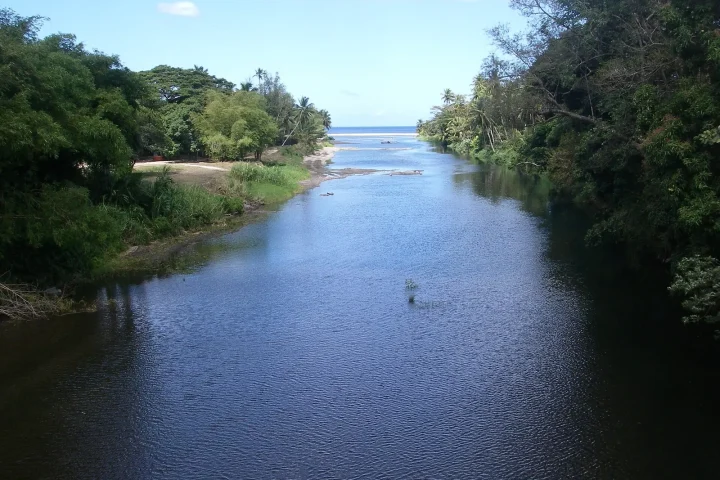
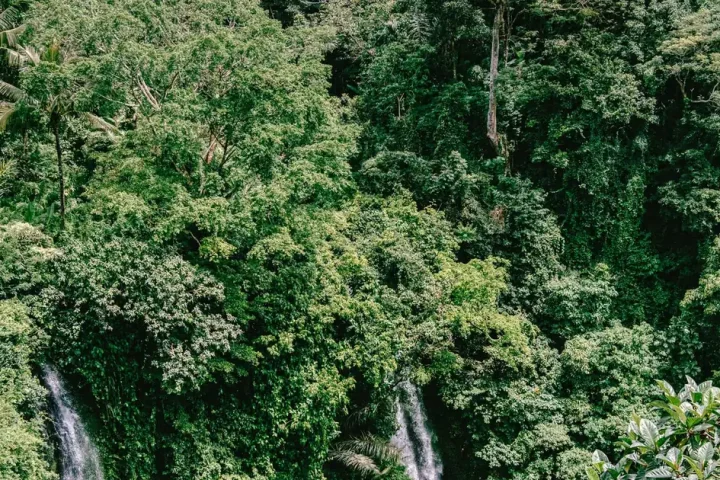
The park covers wetlands, dry forest, tropical forest and coral reefs, and the wetlands include mangroves, swamp forest and marshland. The headland was once its own island. The name comes from the French word for goats, after goats left by sailors. A marine area lies between Prince Rupert Bay and Toucar Bay, and a dive centre has been based in the park since 2018, according to Wikipedia. Discover Dominica lists a Cabrits dive centre in its water sports directory.
How does it connect to the Waitukubuli National Trail?
The Waitukubuli National Trail runs 115 miles in 14 segments from Scotts Head in the south to Cabrits National Park in the north. Segment 14 runs from Capuchin to Cabrits, so a short walk here is a way to touch the island’s long-distance trail without committing to a trek. See our trail notes.
What can you do in Portsmouth?
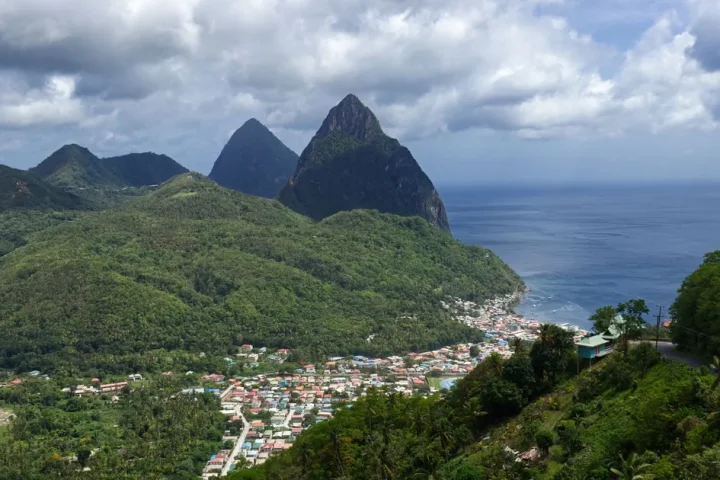
Portsmouth is on the north-west coast, near Prince Rupert Bay, and it was laid out in 1765 with a grid of streets. Wikipedia says a farmer’s market runs there on Tuesdays, Fridays and Saturdays, so confirm days locally. It takes about 45 minutes to drive from Portsmouth to Roseau. Pair a morning at the fort with an afternoon boat trip on the Indian River, then look at the day-by-day plan in our Dominica itinerary.
Frequently Asked Questions
Plan a relaxed half-day for the fort and a short walk. Exact times vary with how far you climb and how much you read, and there is no official figure we can quote. Start early, wear sturdy shoes and bring water.
No. Fort Shirley is the historic garrison inside the park. The park itself is larger and protects forest, wetlands, coral reefs and a marine area between Prince Rupert Bay and Toucar Bay, alongside the fort ruins and restored buildings.
The park includes coral reefs and a marine area, and a dive centre operates in the park, so water activities are possible. Conditions and operators change, so ask locally, and follow any park rules and safety advice.
By road: about 45 minutes between Roseau and Portsmouth, with the park just north of the town, so a driver or tour operator is the simplest way to reach it for the day. Taxis, tour operators and minibuses serve the route. Our guide to getting around Dominica explains the options.
How we prepared this guide: it draws on Wikipedia’s Cabrits National Park and Portsmouth articles and the Discover Dominica Authority’s adventure pages. We make no claim of personal experience. Photographs are from Wikimedia Commons, credited on our photo credits page. Check opening times and fees locally.