Dominica travel safe advice from official sources is consistent: the UK government calls the crime rate low, Discover Dominica says the island has one of the lowest crime rates in the Caribbean, and the main practical risks are walking alone off main roads at night, strong currents, mountain roads and weather. No travel can be guaranteed safe, so read the detail.
This guide summarises what the sources say, with dates, in plain terms. It is general information, not personal advice. For the wider trip see plan your visit and the Visit Dominica home page.
Dominica Travel Safe at a Glance
| Topic | What the official advice says |
|---|---|
| Crime | Low, but take care walking alone away from main roads, especially after dark |
| Taxis | Use licensed taxis only and agree the fare first |
| Valuables | Keep valuables and documents in a hotel safe; avoid large amounts of cash or jewellery |
| Swimming | Currents can be stronger than they look; not all beaches have lifeguards or flags |
| Hiking | Check with guides before hiking to the Boiling Lake |
| Roads | Narrow, sometimes in poor condition; the airport highway can suffer landslides |
| Emergencies | 999 for police, ambulance and fire |
How Safe Is Dominica From Crime?
The FCDO, the UK government’s travel advice service, says the crime rate is low but you could be at risk walking alone away from main roads, particularly after dark. Its precautions include secure accommodation, care at large gatherings and parties after dark and during festival season, avoiding isolated areas including beaches after dark, and keeping car doors locked when driving. Discover Dominica says visitors should still use common sense. Our nightlife and rum guide covers evenings out.
What Are the Water and Hiking Risks?
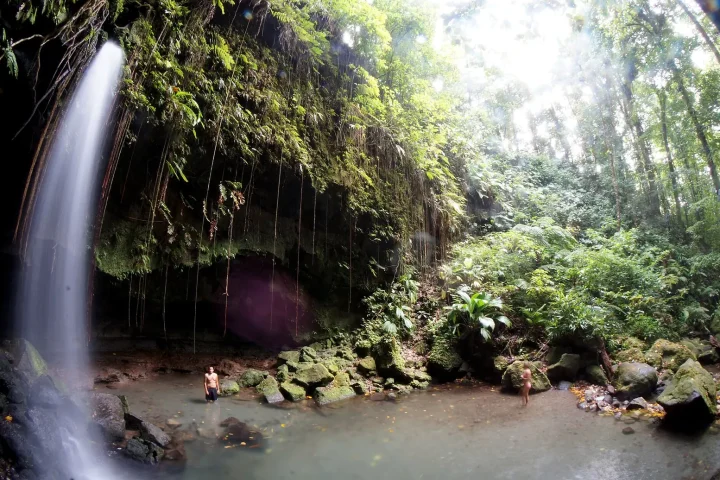
The FCDO says currents can be stronger than they look and not all beaches have lifeguards or flags. For the Boiling Lake it advises checking with guides that it is safe and following the Office of Disaster Management for updates. Read our Titou Gorge and Champagne Reef guide before water days.
What About Roads and Taxis?
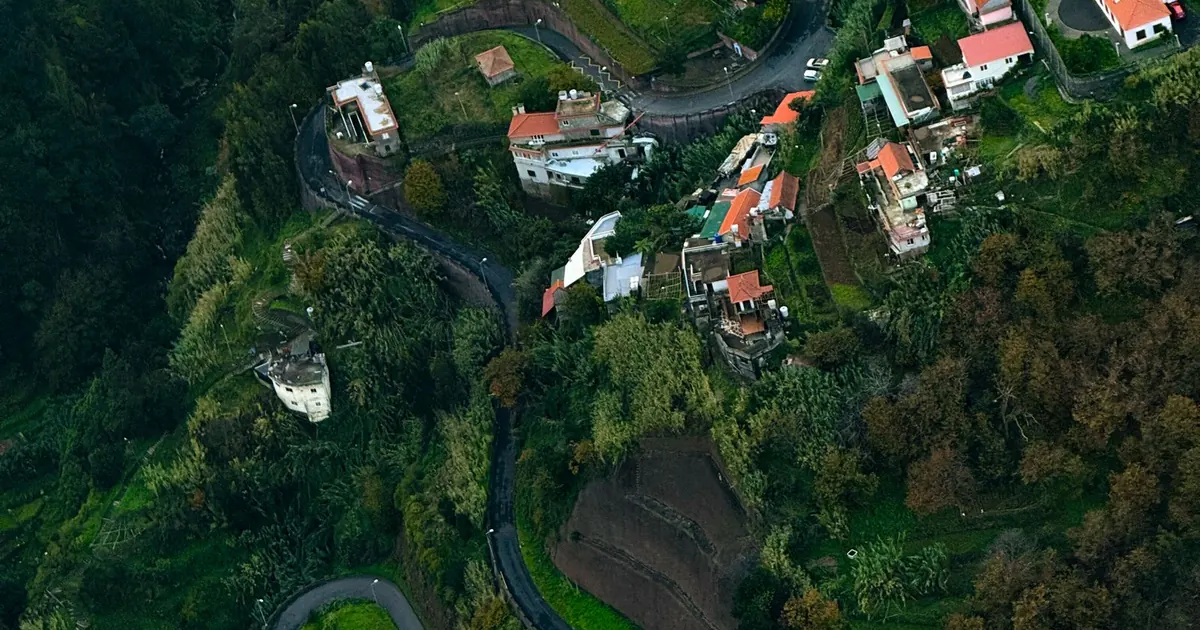
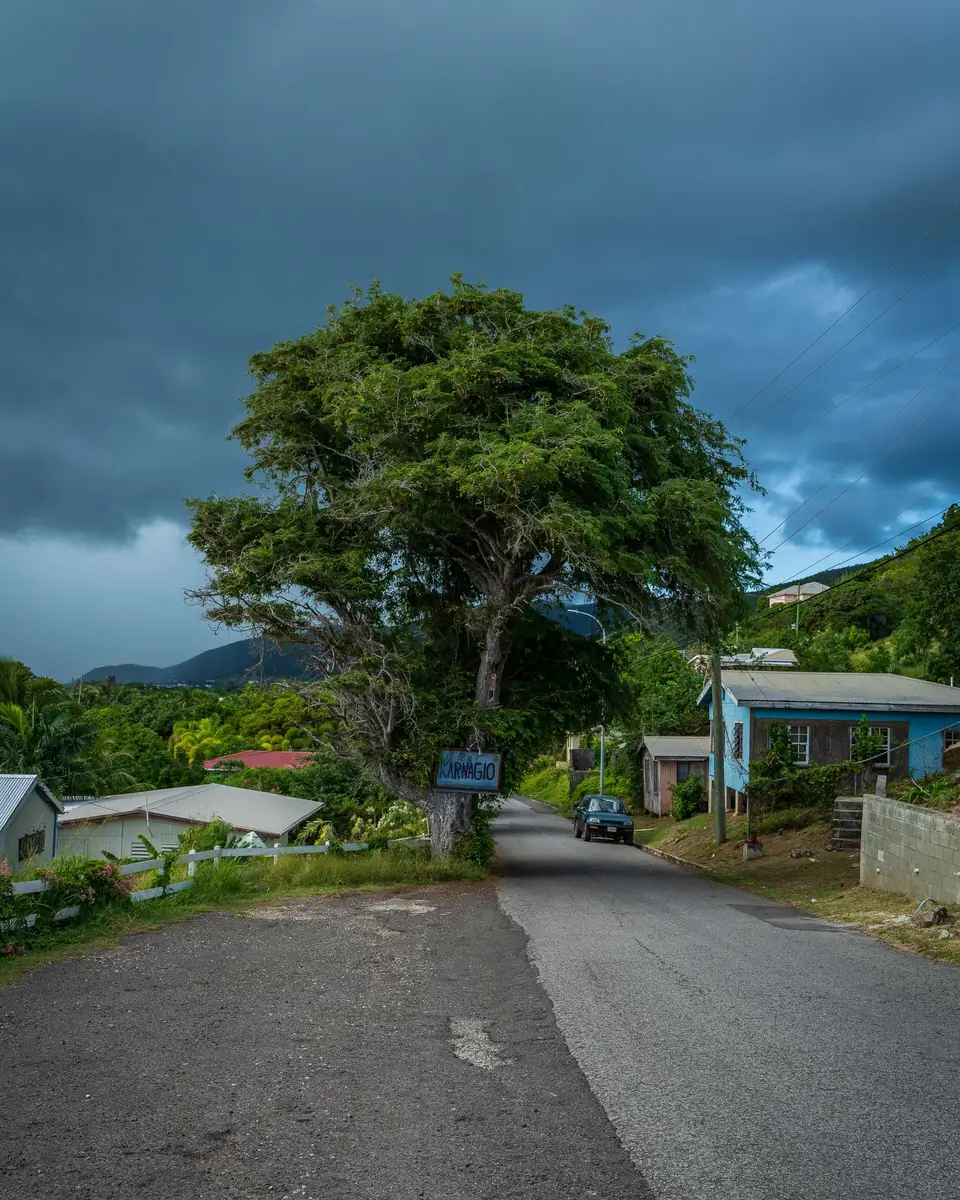
Roads are sometimes narrow and in poor condition, with few road signs, pedestrians on the carriageway and drivers swerving around potholes, according to the FCDO. The main highway from Douglas Charles Airport is prone to landslides after bad weather, so it advises avoiding it at night. Minibuses are likely to drive over the speed limit. See how to get around Dominica.
Which Rules Catch Visitors Out?
It is illegal for anyone, including children, to dress in camouflage clothing, and drug offences carry severe penalties; pack your own luggage and carry nothing for anyone else. The FCDO also notes that attitudes towards the LGBT+ community are mostly conservative across the Caribbean and certain same-sex sexual acts are illegal.
Frequently Asked Questions
The UK government calls crime low and Discover Dominica describes one of the lowest crime rates in the Caribbean, though both advise sensible precautions. The practical risks are mostly walking alone after dark off main roads, strong sea currents, mountain roads and weather. Advice was current as of 5 November 2026, and can change.
The FCDO advises care walking alone off main roads, particularly after dark, and avoiding isolated areas including beaches after dark. Take particular care at large gatherings and parties during festival season. Use licensed taxis for late journeys and agree the fare first. This is general guidance, not a guarantee.
Take care. The FCDO says currents can be stronger than they look and not all beaches have lifeguards or warning flags, and it points to the Royal Life Saving Society’s water safety advice. Swim with others, ask locally about conditions and avoid swimming after heavy rain.
999 for ambulance, fire and police, as both the FCDO and Discover Dominica state. Contact your insurer quickly if you are referred for treatment, since serious cases may need evacuation. See the travel tips and FAQ for more.
Plan for the Risks, Then Go
Most precautions are ordinary ones: keep valuables locked up, use guides for long hikes and check the weather. If you spot outdated information, let us know.
How we prepared this guide: safety advice comes from the UK Foreign, Commonwealth and Development Office (still current at 5 November 2026, last updated 10 December 2025) and Discover Dominica (read 5 November 2026). This is not personal advice; check your own government’s travel advice too. Photographs are Pexels stock images and may not show Dominica.